
Yau Tak "Marco" Lee
BACPUnited Kingdom · 7 yrs exp
Empathetic counsellor for life transitions
Stress, Anxiety · Trauma and abuse · Grief · Anger · +14 more
Read profileTherapist listings are provided by BetterHelp. We will earn a commission at no additional cost to you if you use our links to purchase.
Accessing therapy in your native Cantonese can help you express thoughts and feelings with greater nuance and comfort. Below you can browse Cantonese-speaking therapists to find a counselor who fits your cultural and language needs.
United Kingdom · 7 yrs exp
Empathetic counsellor for life transitions
Stress, Anxiety · Trauma and abuse · Grief · Anger · +14 more
Read profile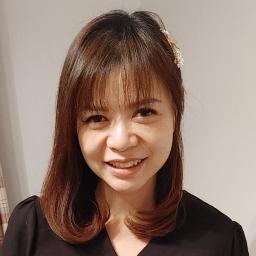
United Kingdom · 18 yrs exp
Compassionate counsellor helping people find inner strength
Stress, Anxiety · Relationship · Family · Intimacy-related issues · +13 more
Read profile
United Kingdom · 8 yrs exp
Calm, practical counselling for life changes
Stress, Anxiety · LGBT · Self esteem · Career · +9 more
Read profile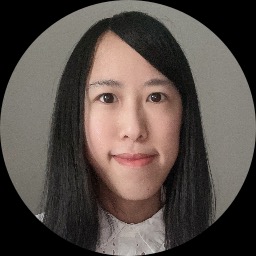
United Kingdom · 6 yrs exp
Compassionate practical counselling for life changes
Stress, Anxiety · Family · Grief · Self esteem · +11 more
Read profile
United Kingdom · 11 yrs exp
Focus on steady change and clearer relationships
Stress, Anxiety · Relationship · Anger · Depression · +16 more
Read profile
United Kingdom · 3 yrs exp
Gentle psychodynamic counsellor with cultural awareness
Stress, Anxiety · Trauma and abuse · Sleeping · Anger · +15 more
Read profile
Australia · 6 yrs exp
Practical support for anxiety and grief
Stress, Anxiety · Trauma and abuse · Grief · Self esteem · +1 more
Read profile
Australia · 5 yrs exp
Practical, culturally aware counselling for adults
Stress, Anxiety · Relationship · Trauma and abuse · Self esteem · +1 more
Read profile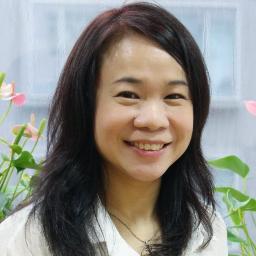
United Kingdom · 12 yrs exp
Compassionate, human-centred counselling for life changes
Stress, Anxiety · Relationship · Trauma and abuse · Career · +11 more
Read profile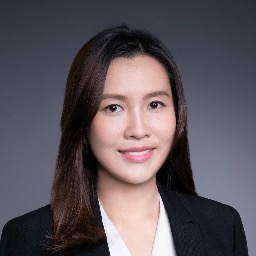
United Kingdom · 3 yrs exp
Understanding help for relationship and parenting stress
Family · Parenting · Stress, Anxiety · Relationship · +2 more
Read profile
Texas · 4 yrs exp
Calm, practical counseling with multicultural awareness
Stress, Anxiety · Trauma and abuse · Eating · Self esteem · +16 more
Read profile
United Kingdom · 3 yrs exp
Multicultural counsellor with a listening-first style
Relationship · Self esteem · Career · Depression · +7 more
Read profile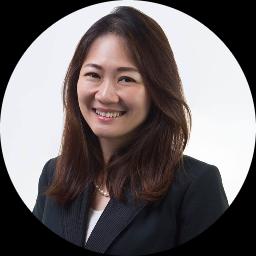
California · 20 yrs exp
Practical, compassionate support for family and life changes
Family · Trauma and abuse · Parenting · Anger · +9 more
Read profile
United Kingdom · 5 yrs exp
Compassionate counsellor for cultural and relational concerns
Stress, Anxiety · Relationship · Family · Self esteem · +9 more
Read profile
Australia · 9 yrs exp
Practical, compassionate counselling for life challenges
Stress, Anxiety · Addictions · Relationship · Career · +13 more
Read profile
Texas · 5 yrs exp
Approachable counselor focused on practical growth
Stress, Anxiety · Addictions · Self esteem · Depression · +5 more
Read profile
United Kingdom · 3 yrs exp
Compassionate counsellor blending talk and creative work
Stress, Anxiety · Addictions · Trauma and abuse · Grief · +9 more
Read profile
United Kingdom · 8 yrs exp
Supportive counsellor for life changes
Self esteem · LGBT · Trauma and abuse · Career · +1 more
Read profile
New York · 4 yrs exp
Intimacy-focused therapist helping relationship and self growth
Stress, Anxiety · Relationship · Intimacy-related issues · Self esteem · +1 more
Read profile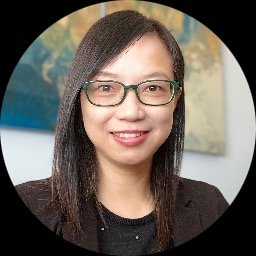
California · 10 yrs exp
Compassionate, culturally aware therapy for life challenges
Stress, Anxiety · Relationship · Trauma and abuse · Self esteem · +1 more
Read profile
Illinois · 20 yrs exp
Practical, strengths-based therapy for life changes
Stress, Anxiety · Relationship · Self esteem · Depression · +7 more
Read profile
Australia · 4 yrs exp
Practical, multilingual social worker focused on wellbeing
Stress, Anxiety · Trauma and abuse · Anger · Self esteem · +3 more
Read profileWhen you meet with a therapist who speaks Cantonese, you are more likely to connect in ways that reflect your everyday communication. Language shapes how you name emotions, tell stories, and explain cultural experiences. Certain phrases and idioms in Cantonese carry emotional weight and historical context that can lose meaning when translated. Seeing a therapist who can understand those subtleties helps conversations feel more fluid and authentic, and it can reduce the effort you expend trying to translate personal experiences into another language.
Therapy is not only about technique; it is about the relationship between you and your counselor. Speaking Cantonese allows the relationship to form on familiar linguistic ground, which can make it easier to build trust, describe family dynamics, and discuss sensitive topics that are tied to cultural norms. Whether you grew up speaking Cantonese at home or use it in daily life, having the option to speak in your strongest language may make therapy feel more relevant and humane.
Language barriers can influence what you feel able to share and how fully you can express yourself. When you switch languages to explain a memory or feeling, you may lose emotional shades or the immediacy of an image that is vivid in Cantonese. That narrowing of expression can shape the focus of your sessions and sometimes lead to surface-level conversations about symptoms rather than deeper exploration of meaning and context.
Communication differences can also affect how misunderstandings are interpreted. Cultural meanings attached to family roles, filial responsibility, and social expectations may be missed if your therapist lacks familiarity with Cantonese linguistic patterns and cultural references. This is not a judgment about capability - it is about fit. Working in a language that feels natural to you reduces the risk that important details will be omitted or misread, and it helps ensure your experience is heard in the terms you use.
Online therapy with a Cantonese-speaking therapist often resembles in-person counseling in structure, with sessions focusing on conversation, exploration, and collaborative planning. You can expect to spend time describing your concerns, exploring how those concerns developed, and discussing strategies to cope with everyday challenges. Many therapists will invite you to share cultural context and family perspectives, which can be central to understanding what matters to you.
Technology allows you to connect across distances while keeping the language connection intact. If you prefer Cantonese for cultural reasons or practical ones - such as living in a region with fewer local Cantonese-speaking clinicians - online sessions widen your options. You will want to choose a location where you can speak openly and without interruptions, and it is reasonable to ask a potential counselor about how they handle sensitive topics and privacy during remote sessions.
Many Cantonese speakers wrestle with cultural stigma about mental health that can make reaching out feel risky. In some families and communities, discussing emotional struggles is seen as bringing shame or admitting weakness. You may encounter internal pressures to prioritize family reputation or to handle problems on your own. Recognizing these pressures is often one of the first topics to surface in therapy, and a counselor who understands the cultural context can help you navigate these conflicts without dismissing their importance.
Another frequent concern is finding a clinician who understands your cultural background and language nuances. You may worry that a therapist who does not share Cantonese or relevant cultural experience will misunderstand your priorities or undervalue traditions that are important to you. Financial and logistical concerns also play a role in the decision to pursue therapy, as does the hope that counseling will align with your values and life circumstances. Talking about these concerns in Cantonese can make it easier to weigh options and find an approach that feels respectful and useful.
Online therapy expands the pool of Cantonese-speaking counselors you can reach, making it easier to find someone whose background, approach, or cultural perspective resonates with you. This increased access is particularly helpful if you live in an area with few Cantonese-speaking providers or if you prefer a therapist whose experience aligns with specific family, immigration, or generational issues. Flexibility is another advantage - remote sessions can reduce travel time and make it simpler to fit counseling into a busy schedule.
Online work also enables continuity when you move or when life circumstances change. You can maintain a relationship with a Cantonese-speaking therapist across cities or regions, preserving the language continuity that matters to you. Technology can support a range of communication styles, from live video conversations to phone calls and supplemental messages, allowing you to tailor the interaction in ways that suit your comfort and needs.
Before you start contacting therapists, think about what you want from counseling. Are you looking for support with family relationships, cultural adjustment, anxiety, or life transitions? Do you prefer a clinician who shares your cultural background or one who simply speaks Cantonese but brings a different life experience? Being clear about your priorities helps you focus on clinicians whose profiles match what you care about.
Therapists may list different approaches among their methods; if a particular style appeals to you, you can note that some clinicians list it among their approaches. Approach can influence how sessions feel - whether they are more structured or exploratory, short-term problem-focused or oriented toward long-term personal development. Fit is often more important than technique, so pay attention to how clinicians describe their way of working and whether their language around cultural issues aligns with your expectations.
When you reach out, consider asking about the therapist's experience working with Cantonese-speaking clients and how they incorporate cultural values into their practice. You might also want to ask about session structure, fees, and how they handle scheduling and communication. These practical questions help you picture what working together would look like and decide whether to move forward. Trust your sense of comfort - it is appropriate to try a few conversations until you find a clinician with whom you feel you can speak openly in Cantonese.
Finding a therapist who speaks Cantonese can be an important step toward feeling understood and heard. By focusing on language match, cultural perspective, and the way a therapist describes their approach, you can identify options that align with your needs and values. Use the directory listings above to explore profiles and find a Cantonese-speaking counselor whose background and style resonate with you.