- Multicultural awareness
- Practical strategies
- Warm, direct approach
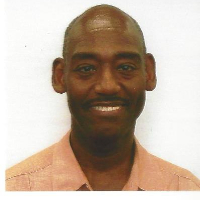
About Derek
Dr. Derek Hopson helps people facing stress, anxiety, depression, addiction, relationship strain, grief, trauma, parenting challenges, and issues around intimacy and self esteem. He also works with concerns such as compassion fatigue, bipolar disorder, anger, and coping with major life changes. Dr. Hopson brings attention to multicultural concerns and how cultural background shapes beliefs and choices.
He speaks plainly and listens closely. His manner is described as caring, respectful, and engaging. Sessions focus on understanding a person's day-to-day struggles and finding practical steps that fit their life. He pays attention to how culture and life stage affect problems and solutions.
Over a 40-year career Dr. Hopson has worked in inpatient psychiatric hospitals, outpatient clinics, and private practice in Connecticut and Florida. That range gives him experience with many kinds of challenges across adulthood. He is licensed as a Florida Psychologist, FL Psychologist PY7409.
In sessions he draws on approaches like cognitive behavioral strategies, acceptance and commitment ideas, client-centered listening, mindfulness, and motivational interviewing. These methods are used to set small, achievable goals and change unhelpful patterns. The work is collaborative and paced to what each person needs.
People who choose him can expect straight talk, steady support, and practical planning. He aims to help clients move through difficult moments toward routines and relationships that feel more manageable and meaningful.
How therapeutic methods translate to online care
Acceptance and Commitment Therapy (ACT) encourages people to get clear about their values and take small actions that move them toward a meaningful life. It helps with anxiety, depression, and coping with major life changes. Cognitive Behavioral Therapy (CBT) focuses on identifying unhelpful thinking and behavior patterns and then practicing new skills to shift those patterns, which can be useful for anxiety, depression, and addiction. Client-Centered Therapy emphasizes listening, empathy, and working at the client's pace to build insight and self-direction.Finding the right approach is a collaborative process. The therapist will talk with each person about their needs, goals, and preferences, then try methods that fit those priorities. Sessions can mix elements from different approaches until something feels practical and useful.
Session formats are not specified in the biography, so confirm current options before booking. Online sessions can make it easier to fit therapy into a busy week, reduce travel time, and allow shorter check-ins when needed. They also make regular work possible for people who live far from a clinician or who are arranging care across time zones. A licensed professional will help pick a rhythm and format that match the client's life and goals.
Areas of focus
Frequently asked questions
What kinds of problems does he help with?
He supports people dealing with stress, anxiety, depression, addictions, trauma, grief, parenting and relationship concerns, and intimacy-related issues, among other areas.
What is his therapeutic style like?
His style is caring, engaging, and respectful with a focus on listening closely and tailoring sessions to each person's situation.
How much experience does he have?
He has 40 years of clinical experience working in inpatient hospitals, outpatient clinics, and private practice settings.
What are his credentials and where is he located?
He is a Florida Psychologist with the registration FL Psychologist PY7409 and practices in Florida.
Can sessions be held in languages other than English?
Sessions are offered in English.
Does he work with international clients?
He does accept international clients, so cross-border arrangements can be discussed before scheduling.
How are fees and payment handled?
Cost varies with location and therapist availability; sessions use a subscription that can be canceled at any time.
How do I begin working with him?
Select the Start Therapy button, complete a short matching questionnaire, and schedule according to therapist availability.