- Client-centered care
- CBT for mood and addiction
- Mindfulness tools
About Cynthia
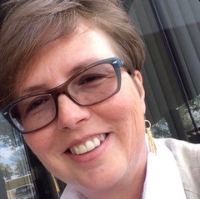
Cynthia Herndon is a Licensed Master Social Worker (LMSW) with two decades of clinical experience. She brings a warm, interactive style and focuses on helping people manage mood, addiction, relationship, and identity-related concerns. Cynthia works to build trust quickly so clients can talk through hard feelings and practical problems.
She has worked in hospitals, outpatient clinics, homeless outreach, and rural community settings. That range gives her practical insights into the everyday effects of stress, chronic illness, grief, and substance use. Her background includes work with veterans, caregivers, elder and hospice care, and LGBTQ populations, and she draws on those experiences when relevant to a person's needs.
Cynthia uses approaches that emphasize collaboration and clear goals. She leans on client-centered methods to keep sessions focused on each person’s priorities. Cognitive Behavioral Therapy helps with patterns of thinking and behavior that contribute to anxiety, depression, and addiction. Mindfulness and motivational techniques are also part of her toolkit for coping and change.
She can also help with practical matters such as advance directives, guardianship questions, and caregiver stress. Sessions aim to be encouraging and action-oriented, with a shared plan that adjusts as progress is made. Cynthia emphasizes working together to set realistic steps and track what helps.
People who want straightforward, compassionate support for mood disorders, trauma, or addiction may find her approach approachable. She works from Michigan and offers services that may be suitable for people in varied life circumstances, including those dealing with major life changes or chronic health concerns.
Approaches that translate to online care
Cognitive Behavioral Therapy focuses on identifying unhelpful thoughts and changing behaviors. It helps with anxiety, depression, mood regulation, and patterns that contribute to substance use by teaching practical skills and homework exercises.Client-Centered Therapy emphasizes the person’s priorities and pace. Sessions concentrate on listening, empathy, and helping people clarify what they want to change. This approach supports people working through identity, relationship, and grief concerns.
Mindfulness Therapy teaches simple attention and breathing practices to manage stress and emotional reactivity. It can be useful alongside other work for sleeping problems, anger, and ongoing stress.
Finding the right approach is part of the process. The therapist will work collaboratively to choose methods that fit a person’s goals and preferences, and will adjust the plan as progress is made.
The original biography does not specify which online session formats are offered, so confirm current options before booking. Many people find online sessions helpful because they can fit therapy into work and family schedules, reduce travel time, allow shorter check-ins when needed, and make it easier to attend from different locations. Licensed professionals can often combine skill practice, goal setting, and problem-solving effectively in remote sessions when formats align with a client's needs.
Areas of focus
Frequently asked questions
What concerns does she address?
Cynthia helps people with stress, anxiety, depression, bipolar disorder, addictions, grief, trauma, relationship and intimacy issues, eating and sleeping problems, anger, self-esteem, career concerns, and coping with life changes.
How would you describe her therapeutic style?
Her style is warm, interactive, and motivational. She focuses on collaboration and practical steps so people can see what changes are helping.
What experience does she bring to sessions?
She has 20 years of clinical experience working in hospitals, outpatient clinics, homeless outreach, and rural community settings, including work with veterans, caregivers, elder care, and LGBTQ populations.
What are her credentials and where is she based?
She holds the LMSW credential and practices out of Michigan while drawing on extensive experience in other regional settings.
Which languages are supported and can international clients connect?
Sessions are offered in English, and she accepts international clients.
What session formats are available?
The original biography does not list specific session formats; please confirm current session options before booking so you know what formats are offered.
How are sessions priced?
Cost varies with location and therapist availability; sessions use a subscription that can be canceled at any time.
How do I begin working with her?
Select the Start Therapy button, complete a short matching questionnaire, and schedule a session according to therapist availability.