- Attachment-informed approach
- Practical skill building
- Focus on life transitions
About Tamara
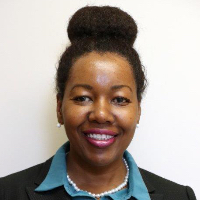
Dr. Tamara Woods is a licensed clinical social worker with 14 years of post-licensure experience. She helps adults and couples who are dealing with stress, anxiety, depression, grief, relationship problems, and life transitions. She emphasizes a supportive, nonjudgmental approach to make it easier to talk about difficult topics.
Dr. Woods draws on several practical methods in sessions. She uses cognitive behavioral techniques to spot and change unhelpful thinking and behavior. She brings client-centered skills to make space for each person's perspective and goals. Solution-focused work helps set clear, achievable steps when people want faster progress.
Her background includes long experience working with people facing parenting strain, caregiving pressure, addictions, bipolar disorder, and intimacy-related concerns. She also supports people navigating identity and multicultural issues, including LGBT concerns, abandonment or attachment questions, and transitions such as divorce or blended family life.
Sessions aim to be collaborative. The therapist helps clients set goals and choose strategies that fit everyday life. Motivational interviewing is used when someone needs help finding motivation for change.
Dr. Woods practices in North Carolina and offers care in English. She asks prospective clients to consider fit and readiness, and to begin when they feel prepared to do the work.
How her approaches translate to online work
Dr. Woods often uses cognitive behavioral therapy and client-centered therapy in her work. Cognitive behavioral therapy focuses on spotting thought patterns and trying different behaviors to reduce distress, which can be useful for anxiety, depression, and anger. Client-centered therapy emphasizes listening and reflecting so clients feel heard and can set their own goals, which helps with relationship and identity concerns.Finding the right approach is part of the process. She will collaborate with each client to decide which methods fit their needs, goals, and comfort level. That could mean prioritizing skills practice, exploring attachment patterns, or setting short-term solution-focused steps based on what the client wants to accomplish.
If you are considering online sessions, confirm the session formats offered before booking. Online therapy can make it easier to fit appointments into a busy week, allow shorter check-ins when needed, and remove the need to travel. It can also let people use phone-only options when bandwidth or camera use is difficult. Discuss practical scheduling and format preferences during the matching process so sessions align with daily life.
Areas of focus
Frequently asked questions
What concerns does she address?
She works with stress, anxiety, depression, grief, relationship issues, addictions, bipolar disorder, parenting concerns, and related life changes.
What is her therapy style like?
The style is supportive and nonjudgmental with a focus on collaboration. Sessions combine practical techniques with listening to each person's experience.
How much experience does she have?
She has 14 years of experience as a licensed clinical social worker and over 20 years working with families prior to licensure.
Where is she based and what are her credentials?
She practices in North Carolina and holds the credentials LCSW and CSW.
What languages are supported?
Sessions are offered in English.
Can international clients work with her?
She does not accept international clients at this time.
How much do sessions cost?
Cost varies with location and therapist availability, and sessions use a subscription that can be canceled at any time.
How do I get started with therapy?
Click the Start Therapy button, complete a short matching questionnaire, and schedule sessions based on the therapist's availability.