- Client-centered focus
- CBT and mindfulness
- Addiction experience
About Suzanne
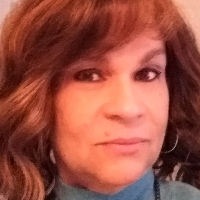
Suzanne Walker is a Licensed Clinical Mental Health Counselor (LCMHC) practicing in North Carolina. She brings 18 years of experience working across community mental health, outpatient settings, and substance use treatment programs. Suzanne focuses on practical steps people can use to steady themselves through stress, mood shifts, addiction, and relationship strain.
She uses straightforward talk therapy and techniques drawn from cognitive behavioral approaches and client-centered work. Sessions often include mindfulness practices and motivational interviewing to help people find manageable next steps. Suzanne also draws on solution-focused methods to set clear short-term goals.
Her background includes work with people facing substance use disorders, including experience in medication-assisted treatment programs. She has provided individual, group, and family counseling and has coordinated community support services for adults with serious mental illness.
Suzanne helps people dealing with depression, bipolar disorder, anxiety, grief, trauma, and problems with self-esteem and motivation. She also supports those facing body image concerns, chronic pain or illness, communication problems, and issues related to LGBTQ+ identity.
She prefers video meetings for richer interaction but can also meet by telephone or live chat when that feels better for a client. To begin, clients use the Start Therapy button, complete a short matching questionnaire, and schedule according to therapist availability.
How her approaches work in online sessions
Suzanne often uses cognitive behavioral therapy and client-centered therapy in session. CBT focuses on identifying unhelpful thinking and testing new behaviors to reduce symptoms like anxiety or depression. Client-centered therapy centers the conversation on the person’s experience, helping them feel heard while they work through decisions and emotions.She also uses mindfulness techniques to teach simple attention and breathing practices that can lower reactivity in stressful moments. Motivational interviewing is used when people feel stuck about change; it helps clarify personal reasons for change and builds motivation one step at a time.
Choosing the right approach is a collaborative process. Suzanne talks with each person about their goals, preferences, and what has or hasn’t worked before. Together they try methods that fit the client’s life and adjust the plan as progress or challenges appear.
Practical benefits of online work include easier scheduling around weekdays, evenings, or Saturday mornings, and avoiding travel time to fit therapy into a busy week. The biography indicates she uses video, telephone, and live chat, so confirm which of those formats is available when you book. Online sessions make it simpler to check in regularly and practice skills between meetings.
Areas of focus
Frequently asked questions
What concerns does Suzanne commonly address?
She works with stress, anxiety, depression, bipolar disorder, addiction, trauma, grief, and self-esteem concerns among others.
What is her therapeutic style like?
Her style is practical and direct, using client-centered conversation with CBT, mindfulness, motivational interviewing, and solution-focused techniques.
How much clinical experience does she have?
She has 18 years of experience in community mental health, outpatient care, and substance use treatment settings.
What credentials and location apply?
She holds an LCMHC credential and practices in North Carolina.
Which languages are supported and can international clients be seen?
Sessions are offered in English and international clients are not currently accepted.
What session formats are used?
The biography lists video sessions, telephone, and live chat as ways she can meet; confirm available formats before booking.
How is cost handled?
Cost varies with location and therapist availability; sessions use a subscription that can be canceled at any time.
How do I get started with therapy?
Click the Start Therapy button, complete a short matching questionnaire, and schedule according to therapist availability.