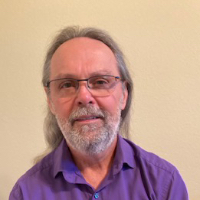
- Warm and compassionate
- Practical skills focused
- Multicultural aware
About Robert
Robert Bronson is a Licensed Clinical Social Worker (LCSW) who emphasizes a holistic, practical approach to care. He draws on nearly two decades of clinical experience to help people facing stress, anxiety, depression, trauma, and life transitions. He uses straightforward conversation and a warm, compassionate style to learn each person's story and goals.
Robert focuses on concrete skills people can use day to day. He combines approaches like cognitive behavioral thinking, mindfulness, and acceptance-based strategies to reduce distress and improve coping. Sessions usually include goal-setting, skill practice, and reflection about what feels most helpful.
He also offers support for relationship strain, grief, sleep difficulties, addictive behaviors, and self-esteem concerns. Additional areas of focus include work with first responders, veterans, aging and geriatric issues, and compassion fatigue. Robert pays attention to cultural and identity factors when they matter to a person's experience, including multicultural concerns.
Robert approaches therapy as a collaborative process. He listens first, then helps people try practical steps. He uses questions, gentle challenges, and mindfulness exercises in session. Humor and straightforward talk are used when appropriate to keep things human.
People who choose Robert can expect clear explanations and practical tools. He guides conversations so clients can experiment with changes between sessions. Over time the aim is to build skills that make daily life easier and more manageable.
How therapeutic approaches shape online care
Acceptance and Commitment Therapy (ACT) helps people notice painful thoughts without getting stuck in them, then move toward values-based actions. It can be useful for anxiety, depression, and coping with major life changes. Cognitive Behavioral Therapy (CBT) focuses on spotting unhelpful thought patterns and testing them with practical experiments, which can reduce symptoms of anxiety, depression, and mood disorders. Mindfulness Therapy teaches skills for staying present and calming the body and mind, which often helps with stress, sleep problems, and trauma-related reactions.Choosing the right approach is part of the work. The therapist will listen to a person's goals and preferences and then recommend a mix of strategies. This is a collaborative process where plans are adjusted based on what helps most in real life.
Confirm the specific online session options before booking, since formats are not specified here. Online therapy can make it easier to fit sessions into busy schedules, allow shorter check-ins when needed, and reduce travel time. It also lets people try exercises and mindfulness practices in the settings where they live and work, which can speed up learning and make new skills more usable day to day.
Areas of focus
Frequently asked questions
What concerns does this therapist address?
He helps people with stress, anxiety, depression, trauma and related issues like sleep problems, anger, addictions, and grief.
What is his therapy style like?
The style is warm and compassionate with occasional humor, focusing on practical steps, skill practice, and collaborative goal-setting.
How much clinical experience does he have?
He has 19 years of clinical experience working with a broad range of mood, trauma, and life-change concerns.
What credentials and location apply to this therapist?
He is an LCSW licensed in Arkansas and practices from that state.
Which languages are supported for sessions?
Sessions are offered in English.
Can people outside the US work with him?
International clients are not currently accepted.
How are fees and payment handled?
Cost varies with location and therapist arrangements; sessions use a subscription that can be canceled at any time.
How do I begin working with this therapist?
Select the Start Therapy button, complete a short matching questionnaire, and schedule according to therapist availability.