- Client-centered approach
- Practical coping skills
- Respectful and direct
About David
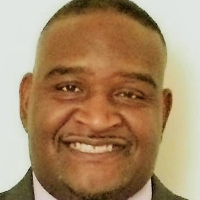
David Robertson is a Licensed Clinical Social Worker (LCSW) based in Georgia who helps people facing stress, anxiety, depression, grief, and relationship concerns. He greets clients with a straightforward, respectful approach and aims to make the first steps feel manageable.
David uses a person-centered style that focuses on listening and respecting each person's pace. He describes his manner as warm and compassionate, and he works collaboratively to set goals that match what the client wants to change. He helps people who feel stuck, empty, or overwhelmed by life transitions find clarity and next steps.
His background includes a Master of Social Work from Stony Brook University and about 10 years of practice working with diverse people. Past work has included veterans, older adults, people involved in the justice system, and couples seeking premarital or post-marriage support. That range has shaped a practical, down-to-earth way of approaching problems.
In sessions he draws on client-centered techniques and incorporates cognitive behavioral strategies, mindfulness, and motivational interviewing when they fit the person's goals. He focuses on concrete skills for coping, communication, and managing strong emotions. David also lists multicultural concerns among his areas of focus and aims to respect each person's background and life story.
If someone is nervous about starting, he invites them to take a single small step: pick the Start Therapy button, answer a short matching questionnaire, and schedule a first meeting to see how things feel.
How therapy approaches guide online work
David commonly uses client-centered methods that focus on listening carefully and following the pace the person prefers; this helps when someone needs a calm space to sort feelings. Cognitive Behavioral Therapy, or CBT, involves identifying unhelpful thoughts and testing new behaviors to reduce anxiety and depression symptoms. Mindfulness Therapy teaches simple attention and breathing practices to manage stress and strong emotions.Finding the right approach is part of the work. David will talk with the client about goals and preferences and suggest which techniques to try first. Together they adjust methods if something does not feel helpful, keeping the process collaborative and practical.
The practical benefits of online therapy include fitting sessions into a busy week and making it easier to keep regular meetings. If you want to move forward, confirm the exact session options before booking so you know what formats are available for scheduling. Online appointments can make it easier to check in during a lunch break, avoid travel time, or try shorter check-ins when needed.
Areas of focus
Frequently asked questions
What kinds of problems does David help with?
He supports people dealing with stress, anxiety, depression, grief, relationship and intimacy issues, and addictive behaviors, among other concerns listed in his specialties.
How would you describe his therapeutic style?
David uses a person-centered style that emphasizes listening and respect, and he mixes in cognitive behavioral techniques, mindfulness, and motivational interviewing as needed.
What is his professional background?
He holds a Master of Social Work from Stony Brook University and brings about 10 years of experience working with diverse populations including veterans and older adults.
Where is he licensed and located?
He is a Licensed Clinical Social Worker and a CSW practicing in Georgia.
Which languages are available for sessions?
Sessions are offered in English.
Can international clients work with him?
He is not accepting international clients at this time.
How are fees handled?
Cost varies with location and therapist availability; sessions use a subscription that can be canceled at any time.
What should I do to begin therapy?
Use the Start Therapy button, complete a short matching questionnaire, and then schedule according to the therapist's availability.