- Warm listening
- Goal focused
- Culturally aware
About Shawntay
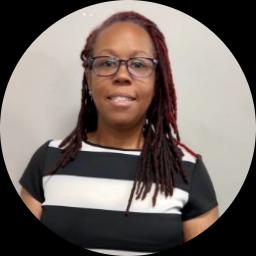
Shawntay Fenyo is a licensed clinician with ten years of experience supporting people through depression, anxiety, trauma, and major life changes. She holds LCPC and LCMHC credentials and provides therapy in North Carolina. Shawntay focuses on practical steps and steady emotional support so people can move forward from difficult moments.
She aims to make sessions feel warm and affirming. Shawntay listens first, then helps people identify what matters most to them. Conversations are straightforward and geared toward small, usable changes rather than long lectures.
Her work often addresses grief, postpartum struggles, and the effects of trauma and mood disorders. Shawntay also attends to multicultural concerns and the ways culture shapes how people understand and cope with stress and identity.
In the room she uses tools from client-centered work, cognitive behavioral techniques, and emotionally-focused methods to help people notice patterns and try different responses. Motivational interviewing and solution-focused steps help set short-term goals and track progress.
People who prefer collaborative, practical therapy tend to fit well with her style. Sessions move at the client’s pace and aim to build clearer coping skills, stronger emotional awareness, and improved daily routines. To begin, readers can use the Start Therapy button and complete a short matching questionnaire before scheduling.
How therapeutic approaches translate to online care
Client-Centered Therapy focuses on listening and reflecting to help people feel understood and make their own changes; it is useful when someone needs a steady, nonjudgmental space to work through emotions. Cognitive Behavioral Therapy, or CBT, looks at the links between thoughts, feelings, and actions and uses exercises to test new ways of thinking and behaving; it often helps with anxiety, depression, and mood regulation.Finding the right approach is part of therapy. The therapist will work together with the client to choose methods that match the person’s needs, goals, and preferences. That process usually starts with simple conversations about what the person hopes to change and what feels most manageable.
Session formats are not specified here, so confirm current options before booking. Online therapy can make it easier to fit care into a busy week, shorten travel time, and allow sessions during workday breaks or from a quieter spot. It can also let people use focused exercises or homework between meetings to reinforce progress without changing daily routines.
Areas of focus
Frequently asked questions
What kinds of concerns does she help with?
She works with stress, anxiety, depression, trauma and abuse, grief, and coping with life changes, plus related issues like postpartum depression, mood disorders, and multicultural concerns.
What is her therapeutic style like?
She practices in a collaborative, client-centered way and uses practical techniques to set goals and make changes during everyday life.
How much experience does she have?
She has ten years of experience providing therapy to people facing mood disorders, trauma recovery, and life transitions.
Where is she licensed and based?
She is licensed as LCMHC in North Carolina and as LCPC in Maryland, and she practices out of North Carolina.
Which languages are offered for sessions?
Sessions are offered in English.
Can people outside the United States schedule with her?
International clients are not currently accepted.
How are sessions arranged and paid for?
Costs vary by location and therapist availability; sessions use a subscription that can be canceled at any time.
How do I start working with her?
Click the Start Therapy button, complete the short matching questionnaire, and then schedule based on the therapist's availability.