- Practical coping skills
- Focus on values
- Mindfulness practice
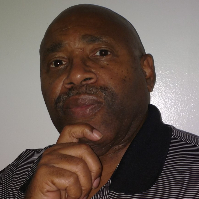
About Richard
Richard McDonald is an LCMHC practicing in North Carolina who helps people facing stress, anxiety, depression, addiction, grief, parenting strain, and other life changes. He combines practical tools and steady support to help people get through hard moments and rebuild day-to-day coping skills.
He holds a Master’s in Mental Health Counseling and a Bachelor’s in Economics. Richard has five years of counseling experience and a longer history in human services work. He keeps his approach straightforward and goal-focused so conversations stay useful and concrete.
Sessions use techniques from Cognitive Behavioral Therapy, Acceptance and Commitment Therapy, Dialectical Behavior Therapy, Client-Centered Therapy, and Mindfulness Therapy. That mix lets him tailor conversations to each person’s needs, focusing on clear skills for mood, worry, impulse control, and relapse prevention when relevant.
Richard also lists multicultural concerns among his areas of focus and works with issues tied to adoption and foster care, caregiver stress, trauma and post-traumatic stress, substance use, anger, and impulsivity. He aims to help people sort through guilt, shame, life purpose, and financial stress alongside mood and relationship struggles.
People who choose him can expect collaborative planning, direct skill practice, and follow-up on goals between sessions. He asks about what matters most up front and adjusts strategies as progress is made.
Therapeutic approaches and online care
Acceptance and Commitment Therapy (ACT) focuses on clarifying what matters to a person and taking action toward those values while accepting difficult thoughts and feelings. It can help with anxiety, depression, and major life transitions by shifting attention toward meaningful goals.Cognitive Behavioral Therapy (CBT) looks at the relationship between thoughts, feelings, and behaviors and teaches practical skills to change unhelpful patterns. CBT is commonly used for anxiety, panic, mood problems, and many forms of stress-related difficulty.
Finding the right approach is part of the work together. The therapist will talk with each person about their goals and preferences, then try methods that fit those needs. That collaborative process lets strategies be adjusted if something does not feel helpful.
The original profile does not list specific online session formats, so confirm current options before booking. Many people find online sessions make it easier to fit therapy into a busy life, reduce travel time, and allow shorter check-ins when needed. Licensed professionals can use these sessions to teach skills, practice mindfulness exercises, review homework, and track progress over time.
Areas of focus
Frequently asked questions
What concerns does Richard commonly address?
He supports people dealing with stress, anxiety, depression, addictions, trauma and grief, as well as parenting strain and relationship difficulties.
How would you describe his therapy style?
Sessions are practical and collaborative, with an emphasis on skill building, values-based goals, and straightforward conversation.
What experience does he bring to sessions?
He has five years of counseling experience and additional years working in human services settings before becoming a counselor.
What credentials and location are listed?
He is a Licensed Clinical Mental Health Counselor (LCMHC) practicing in North Carolina.
In which languages can sessions be held?
Sessions are offered in English.
What session formats are available?
The original profile does not specify session formats; please confirm current session options before booking.
How is cost handled for sessions?
Cost varies with location and therapist availability, and sessions use a subscription that can be canceled at any time.
How do I begin working with him?
Click the Start Therapy button, complete a short matching questionnaire, and schedule according to the therapist's availability.