- Multicultural concerns
- Substance use support
- Skills-based therapy
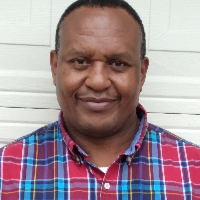
About Peter
Peter Mburu is a Licensed Professional Counselor (LPC) based in Texas who helps people handle stress, anxiety, addictions, relationship strain, sleep trouble, and mood concerns. He works with adults facing grief, trauma, parenting stress, and life changes. He also supports those navigating multicultural issues and immigration-related challenges. Sessions are offered in English, Kikuyu, and Swahili.
He takes a straightforward, skills-focused approach. In sessions he teaches coping tools for strong emotions, helps people build routines for better sleep, and supports those dealing with substance use and relapse concerns. He also helps clients talk through feelings tied to identity, cultural transition, and guilt or shame.
Mburu has seven years of counseling experience and has provided care in multiple states. He has worked with adults experiencing early-onset psychosis and with people facing chemical dependence. His background includes supporting international students, refugees, and people coping with serious medical conditions.
He uses evidence-based methods such as Cognitive Behavioral Therapy, Dialectical Behavior Therapy, Motivational Interviewing, Acceptance and Commitment Therapy, and Solution-Focused Therapy. In practice he blends these to match a person’s goals and situation rather than sticking to one rigid method.
Getting started involves a brief matching process and scheduling a session. He aims to help people develop practical coping strategies so they can move toward their life goals.
Approaches that translate well to online work
Acceptance and Commitment Therapy (ACT) helps people notice difficult thoughts without getting stuck in them and focus on actions tied to their values. It is often useful for anxiety, depression, and life transitions. Cognitive Behavioral Therapy (CBT) focuses on identifying unhelpful thinking and changing behaviors that keep problems going; it is commonly used for anxiety, depression, sleeping issues, and panic symptoms. Dialectical Behavior Therapy (DBT) teaches emotion regulation, distress tolerance, and interpersonal skills that can help with intense emotions, anger, and relationship stress.Choosing the right approach is part of the process. The therapist works collaboratively to match methods to a client's needs, goals, and preferences. Early sessions are used to figure out what techniques feel most helpful and to make small adjustments over time.
Online therapy can make it easier to fit care into everyday life, whether someone needs a shorter check-in during a busy day or prefers not to travel to sessions. Confirm the current session options before booking, since specific formats are set by the therapist. Many people find that working this way supports consistent use of new skills, makes follow-up easier, and helps maintain momentum between sessions.
Areas of focus
Frequently asked questions
What concerns does this therapist help with?
He supports people with stress, anxiety, depression, addictions, relationship strain, sleep problems, trauma, grief, and identity concerns including LGBT and multicultural issues.
What is his general therapy style?
He uses a practical, skills-focused style and combines structured techniques with collaborative problem solving to meet each person's needs.
What kind of experience does he have?
He has seven years of counseling experience and has worked with adults facing mental illness, early-onset psychosis, and chemical dependence.
What credentials and region are listed?
He holds the Licensed Professional Counselor credential (LPC) in Texas and practices from that region.
Which languages are supported in sessions?
Sessions are offered in English, Kikuyu, and Swahili to accommodate multilingual clients.
Can international clients work with him?
International clients are accepted; check session logistics and scheduling before booking.
How does pricing work?
Cost varies by location and therapist availability and sessions use a subscription that can be canceled at any time.
How do I begin a session?
Use the Start Therapy button, complete a short matching questionnaire, and schedule according to the therapist's availability.