- Strengths-based approach
- Motivational support
- CBT for behavior
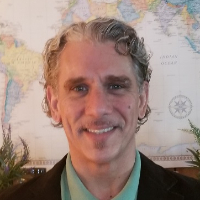
About Paul
Paul Pasternak is a licensed mental health counselor (LMHC) based in New York. He brings 25 years of practice to help people manage anxiety, depression, addiction, and major life changes. Paul focuses on practical steps that connect to everyday life and long-term goals.
He uses a client-centered, strength-based style that keeps the person’s goals in the lead. Sessions emphasize what the individual wants to change and build a clear plan toward those goals. Motivational Interviewing helps clarify reasons for change and boost commitment, while Cognitive Behavioral Therapy addresses thoughts and behaviors that keep problems going.
Paul creates a tailored care plan with each person and checks progress as they go. He adjusts the plan when needed so efforts stay relevant and achievable. The work aims to be realistic and manageable, not rushed or overly vague.
He has experience across many concerns including parenting strain, relationship problems, grief, anger, stress, and issues tied to aging or caregiving. Paul also supports people facing impulsivity, guilt, isolation, and recovery from substance concerns.
His approach is empathetic and trauma-aware, with an emphasis on strengths and hope. Paul frames change as a step-by-step process and partners with people to move toward the life they want.
How therapeutic approaches guide online work
Client-Centered Therapy focuses on the person’s own goals and pace. The therapist listens closely, reflects what matters most, and helps people decide next steps. This approach is useful for concerns like low self-esteem, grief, and life transitions.Cognitive Behavioral Therapy (CBT) looks at the link between thoughts, feelings, and behaviors. It uses practical exercises and small behavioral experiments to reduce anxiety, depression, and patterns that maintain problems. Motivational Interviewing helps when someone feels stuck or unsure about change by exploring ambivalence and building commitment to move forward.
Choosing an approach is a collaborative process. The therapist will discuss options and help find the best fit based on the client’s goals and preferences. Plans are adjusted over time if something isn’t working.
Session formats are not specified here, so confirm current options before booking. Online therapy can make it easier to fit sessions into a busy week, reduce travel time, or allow shorter check-ins when schedules are tight. It also makes it simpler to continue care during life changes, while the therapist and client focus on concrete goals and steps that fit everyday life.
Areas of focus
Frequently asked questions
What concerns does Paul address?
He helps people with anxiety, depression, addictions, grief, stress, relationship and parenting challenges, and many related issues.
What is Paul’s therapy style like?
He uses a client-centered, strength-based approach that follows the client’s goals and priorities.
How much experience does he have?
Paul has 25 years of experience working in varied settings with many types of concerns.
What credentials and location apply to this therapist?
Paul is a licensed mental health counselor, LMHC, practicing in New York.
Which languages are supported in sessions?
Sessions are offered in English.
Can international clients work with Paul?
He does not accept international clients at this time.
How are fees and payment handled?
Cost varies with location and therapist availability; sessions use a subscription that can be canceled at any time.
How do I begin therapy with him?
Select the Start Therapy button, complete a short matching questionnaire, and schedule according to therapist availability.