
Behnam Abdevand
BACPUnited Kingdom · 7 yrs exp
Calm practical support for stress and relationships
Stress, Anxiety · Relationship · Family · Self esteem · +5 more
Read profileTherapist listings are provided by BetterHelp. We will earn a commission at no additional cost to you if you use our links to purchase.
Receiving therapy in your native language can deepen understanding, reduce misunderstanding, and make it easier to express complex feelings. Below you can browse Persian-speaking therapists to review profiles, approaches, and cultural backgrounds.
Use the listing to find practitioners who align with your needs and life experience, then read profiles to learn more about their focus and approach.
United Kingdom · 7 yrs exp
Calm practical support for stress and relationships
Stress, Anxiety · Relationship · Family · Self esteem · +5 more
Read profile
United Kingdom · 5 yrs exp
Calm, person-led therapy for practical change
Stress, Anxiety · Trauma and abuse · Self esteem · Coping with life changes · +15 more
Read profile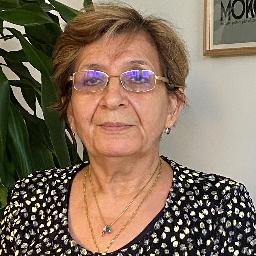
United Kingdom · 17 yrs exp
Experienced bilingual counsellor with multicultural perspective
Relationship · Family · Grief · Parenting · +12 more
Read profile
United Kingdom · 19 yrs exp
Supportive counsellor for stress and trauma
Stress, Anxiety · Trauma and abuse · Anger · Depression · +1 more
Read profile
New York · 20 yrs exp
Multicultural LCSW helping families and individuals
Family · Parenting · Self esteem · Depression · +13 more
Read profile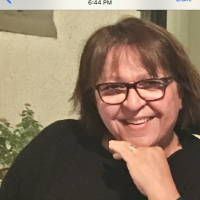
California · 20 yrs exp
Calm, practical support for life changes
Stress, Anxiety · Family · Parenting · Self esteem · +9 more
Read profile
California · 28 yrs exp
Calm, practical therapy for stress and transitions
Stress, Anxiety · Relationship · Family · Coping with life changes · +1 more
Read profile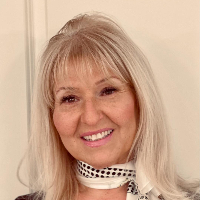
North Carolina · 15 yrs exp
Compassionate LMFT focusing on life changes
Relationship · Trauma and abuse · Grief · Parenting · +9 more
Read profile
Virginia · 25 yrs exp
Culturally informed therapy for life transitions
Stress, Anxiety · Trauma and abuse · Grief · Depression · +7 more
Read profile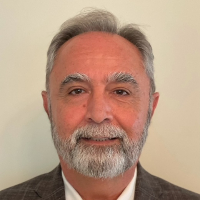
Georgia · 26 yrs exp
Change that fits your life
Stress, Anxiety · Relationship · Family · Trauma and abuse · +14 more
Read profile
Georgia · 10 yrs exp
Compassionate, collaborative counseling for life challenges
Stress, Anxiety · LGBT · Relationship · Family · +9 more
Read profile
Missouri · 12 yrs exp
Practical, listening-based therapy for everyday struggles
Stress, Anxiety · Addictions · Self esteem · Depression · +15 more
Read profile
United Kingdom · 11 yrs exp
Compassionate integrative psychotherapy for identity and change
Stress, Anxiety · Addictions · Relationship · Trauma and abuse · +16 more
Read profile
California · 13 yrs exp
Compassionate therapist focused on strengths
Stress, Anxiety · Relationship · Self esteem · Depression · +9 more
Read profile
United Kingdom · 4 yrs exp
Psychodynamic counsellor with cross-cultural experience
Stress, Anxiety · Relationship · Family · Self esteem · +13 more
Read profile
United Kingdom · 3 yrs exp
Compassionate, practical counselling for emotional strain
Stress, Anxiety · Trauma and abuse · Grief · Self esteem · +1 more
Read profile
Australia · 5 yrs exp
Practical, strengths-based therapy for everyday challenges
Stress, Anxiety · Relationship · Family · Trauma and abuse · +1 more
Read profile
Massachusetts · 4 yrs exp
Practical support for stress and family concerns
Stress, Anxiety · Family · Parenting · Depression · +1 more
Read profile
California · 7 yrs exp
Compassionate, practical therapy for relationships
Relationship · Family · Trauma and abuse · Parenting · +1 more
Read profile
Australia · 20 yrs exp
Gentle, practical therapy for stress and life change
Stress, Anxiety · Relationship · Self esteem · Career · +3 more
Read profile
California · 18 yrs exp
Warm, relational therapy with cultural awareness
Relationship · Family · Parenting · Self esteem · +1 more
Read profile
Texas · 15 yrs exp
Compassionate therapist focusing on cultural context
Stress, Anxiety · Relationship · Trauma and abuse · Bipolar · +1 more
Read profileWhen you speak in Persian you bring not only words but cultural metaphors, humor, and idioms that shape how you experience the world. Those linguistic subtleties carry emotional meaning that can be difficult to translate. In therapy, the ability to use familiar expressions, proverbs, or slang can unlock memories, clarify values, and allow you to describe feelings with greater precision. That depth of expression matters because therapy often relies on nuance - a particular word choice, a tone, or a culturally specific phrase can reveal layers of experience that would otherwise remain hidden.
Therapy in Persian can also reduce the mental effort of switching between languages. When you do not have to translate your thoughts internally, sessions can feel more natural and you may be quicker to reach the subjects that matter most. That fluidity can make it easier to form a therapeutic relationship with someone who can pick up on the cultural context embedded in your language use.
Language barriers in therapy are not only about vocabulary. They influence pacing, humor, and how openly you discuss sensitive topics. When you and your therapist do not share a native language, you may find yourself simplifying ideas, avoiding metaphors, or leaving out culturally loaded details. That narrowing can create distance and make it harder to explore the underlying emotions you came to work on. You might also notice that emotional intensity comes across differently in translation, or that the therapist interprets cultural norms through a different frame.
These differences can slow progress and leave you feeling misunderstood. In some cases, you may rely on literal phrasing that misses the cultural resonance of a story, or you may hold back because you worry the therapist will not grasp family expectations, religious values, or community pressures. Choosing a therapist who speaks Persian can reduce these barriers and allow you to express yourself with the cultural richness that shaped your experiences.
Online therapy with a Persian-speaking therapist often resembles in-person work in its structure - regular sessions, conversational exploration, and an emphasis on building trust. Because you and the therapist share a language, conversations can move more quickly into meaningful topics and you may find it easier to use culturally specific examples. Technology enables video or audio sessions that let you choose how to connect based on comfort and convenience. Some people prefer video to read facial expressions and gestures that complement language, while others find phone sessions less formal and easier for discussing difficult topics.
Expect to discuss practical matters in Persian as well, such as session length, communication methods between sessions, and what the therapist highlights as their focus areas. Many therapists list the therapeutic approaches they use, and you may see descriptions like cognitive-behavioral ideas, psychodynamic perspectives, family systems, or somatic approaches. When you see modality names, remember that these are self-described approaches; phrasing like therapists who list EMDR among their approaches is a helpful way to understand what a practitioner emphasizes without assuming specific credentials. Online therapy also gives you more choice in terms of cultural fit - you can seek a clinician whose background, religious understanding, or migration history aligns with yours, which can be important for sensitive topics.
Many Persian-speaking people worry about stigma, both within families and broader communities. Therapy can be associated with judgment, shame, or the perception that personal or family issues should be handled privately. You might fear how discussing mental health could affect family reputation, marriage prospects, or standing in community networks. These concerns can make the first step toward therapy particularly daunting, and can shape what you are willing to reveal in sessions. A Persian-speaking therapist who understands these social pressures can help you navigate how to engage in therapy while honoring important cultural values.
Another common challenge is finding providers who understand specific cultural and historical contexts - for example, the experience of immigration, generational differences, political trauma, or religious practices. You may want a therapist who is familiar with the nuances of Persian culture, whether that involves family dynamics, gender roles, or expectations around caregiving. When reviewing profiles, look for descriptions that reference cultural experience or work with communities similar to yours. Pay attention to how practitioners describe their cultural perspective and whether their language resonates with yours.
Online therapy expands your access to professionals who speak Persian, particularly if you live in an area with few local options. It allows you to connect with therapists across regions and to choose someone whose cultural background or dialect aligns with yours. That geographic flexibility can be especially valuable if you prefer a clinician who shares your specific cultural reference points or approach to family and community life. Online sessions also offer scheduling flexibility, making it easier to balance work, family, and therapy without needing long commutes.
When choosing a Persian-speaking therapist, consider several practical factors. Start by reading profiles carefully to understand each clinician's focus areas, approaches, and the population they describe working with. Look for language in their descriptions that reflects an awareness of cultural contexts similar to your own. Think about what matters most to you - whether it is a shared religious background, experience with migration and resettlement, or familiarity with intergenerational family dynamics. It can also help to reflect on communication preferences - do you want a therapist who uses more direct problem-solving language, or someone who prioritizes reflective, exploratory conversation? Finally, trust your instincts. After an initial conversation or consultation, you will have a better sense of whether the therapist's style and cultural perspective feel like a comfortable match for your needs.
Finding a Persian-speaking therapist is a meaningful step toward being understood in the language where your memories and deepest feelings are formed. Whether you are exploring personal growth, working through family challenges, or managing stress related to life transitions, communicating in Persian can make the work more resonant and emotionally accessible. Use the listings to read profiles, reflect on what cultural elements matter most to you, and choose a clinician whose language and approach align with your goals.