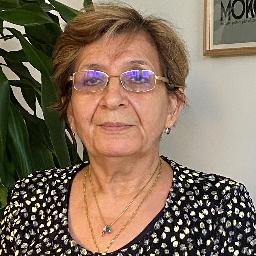
Nahid Aghili
BACPUnited Kingdom · 17 yrs exp
Experienced bilingual counsellor with multicultural perspective
Relationship · Family · Grief · Parenting · +12 more
Read profileTherapist listings are provided by BetterHelp. We will earn a commission at no additional cost to you if you use our links to purchase.
Receiving therapy in your native language can make a major difference in how feelings and experiences are explored. Browse the listings of Italian-speaking therapists below to review profiles, approaches and cultural focus. Use the filters to compare languages, specialties and professional background.
United Kingdom · 17 yrs exp
Experienced bilingual counsellor with multicultural perspective
Relationship · Family · Grief · Parenting · +12 more
Read profile
United Kingdom · 40 yrs exp
Experienced counsellor blending art and mindfulness
Stress, Anxiety · Relationship · Family · Self esteem · +10 more
Read profile
United Kingdom · 6 yrs exp
Practical, relationship-focused counselling
Stress, Anxiety · Trauma and abuse · Self esteem · Depression · +9 more
Read profile
United Kingdom · 12 yrs exp
Patient counsellor focused on relationships and change
Family · Trauma and abuse · Sleeping · Anger · +14 more
Read profile
Texas · 3 yrs exp
Collaborative, culturally aware counseling
Stress, Anxiety · Addictions · LGBT · Depression · +1 more
Read profile
United Kingdom · 3 yrs exp
Compassionate counsellor for life transitions
Stress, Anxiety · Relationship · Parenting · Depression · +1 more
Read profile
United Kingdom · 27 yrs exp
Experienced systemic family counsellor
Relationship · Family · Trauma and abuse · Parenting · +1 more
Read profile
Australia · 25 yrs exp
Experienced psychodynamic counsellor for cultural transitions
Relationship · Family · Trauma and abuse · Depression · +1 more
Read profile
United Kingdom · 5 yrs exp
Experienced person-centred counsellor
Stress, Anxiety · Trauma and abuse · Depression · Coping with life changes · +16 more
Read profile
New York · 20 yrs exp
Multicultural LCSW helping families and individuals
Family · Parenting · Self esteem · Depression · +13 more
Read profile
New York · 25 yrs exp
Warm LCSW focused on practical change
Stress, Anxiety · Relationship · Self esteem · Depression · +7 more
Read profile
New York · 15 yrs exp
Practical, multicultural-focused psychological care
Stress, Anxiety · LGBT · Self esteem · Career · +8 more
Read profile
United Kingdom · 6 yrs exp
Compassionate counsellor blending insight and practical tools
Stress, Anxiety · Relationship · Trauma and abuse · Depression · +16 more
Read profile
United Kingdom · 5 yrs exp
Compassionate counsellor blending therapy and coaching
Stress, Anxiety · Trauma and abuse · Self esteem · Coping with life changes · +13 more
Read profile
New York · 12 yrs exp
Therapist focused on practical emotional tools
Stress, Anxiety · Relationship · Trauma and abuse · Depression · +12 more
Read profile
United Kingdom · 4 yrs exp
Person-centred support for life’s hard moments
Grief · Self esteem · Depression · Stress, Anxiety · +10 more
Read profile
United Kingdom · 6 yrs exp
Experienced integrative counsellor with a relational focus
Stress, Anxiety · Relationship · Intimacy-related issues · Self esteem · +1 more
Read profile
Illinois · 15 yrs exp
Experienced counselor helping people through change
Stress, Anxiety · Relationship · Family · Grief · +13 more
Read profile
United Kingdom · 21 yrs exp
Practical support for stress and relationship strain
Stress, Anxiety · Trauma and abuse · Anger · Self esteem · +13 more
Read profile
United Kingdom · 5 yrs exp
Calm, practical counselling for life transitions
Stress, Anxiety · Self esteem · Career · Depression · +8 more
Read profileWhen you speak in your first language you tap into a lifetime of nuance, idiom and emotional memory that does not always translate cleanly into another tongue. Words for certain feelings, family roles and cultural expectations often carry connotations that are best expressed in Italian. That matters in therapy because the goal is to be understood not only at the level of fact but also at the level of feeling. You may notice that metaphors, jokes, or childhood sayings come alive when addressed in Italian, making it easier to surface painful memories or subtle patterns.
Language and culture are intertwined. A phrase that sounds neutral in translation can hold generational meaning in the original language. Speaking with a therapist who communicates in Italian helps preserve those links between words and cultural background. This can be especially important when discussing family dynamics, religious influences, or migration experiences where cultural nuance shapes how you view relationships and personal responsibility.
Language barriers change the shape of a therapy conversation. When you work through difficult emotions in a second language you may find yourself simplifying complex experiences or losing access to images and idioms that carry emotional weight. This can slow progress and make it harder to build rapport. Misunderstandings can occur when subtle meanings are reduced to the nearest equivalent term, and that may leave you feeling unheard or frustrated.
Some people use interpreters to bridge the gap, and interpreters can be invaluable in many situations. Still, there is often a difference between speaking through a third person and speaking directly with someone who shares your language. Direct communication in Italian eliminates an interpretive layer and allows you and your therapist to explore tone, rhythm and cultural cues together. If direct Italian-language work is important to you, look for clinicians who list Italian among the languages they use and who describe experience with relevant cultural topics.
Online therapy in Italian can feel much like in-person work while offering certain practical differences. You can expect sessions to be conducted over video or audio, with conversation, reflection and guided questions forming the core of the work. Therapists who list modalities such as cognitive behavioral approaches, psychodynamic work, or therapists who list EMDR among their approaches may describe how they adapt those methods for remote sessions. You should expect to discuss how communication will be handled - whether notes or summaries will be provided in Italian, how written materials are shared, and what language will be used for safety planning if necessary.
Online sessions rely more heavily on facial expression and vocal tone than on other in-person cues like subtle body language. When you speak in Italian, those vocal rhythms and emotional inflections remain intact, and many therapists train their listening to pick up on culturally specific expressions. You may find it easier to connect emotionally, even across a screen, when the clinician and you share the same linguistic frame. It is reasonable to ask potential clinicians about how they handle technical aspects, documentation and privacy protections so you know what to expect during online work.
Cultural expectations about mental health vary widely across Italian communities. In some families and social circles, discussing personal struggles with an outsider may feel unfamiliar or stigmatized. You might worry about how therapy will be perceived by relatives or feel uncertain about sharing family details that carry shame or duty. Those concerns are common and valid, and mentioning them early in conversation helps shape a therapeutic approach that respects your values and boundaries.
If you are part of an immigrant family you may face additional stress in balancing language shifts between generations. Older relatives may speak primarily Italian while younger family members use another language, creating gaps in shared understanding. Therapy in Italian can help you articulate those intergenerational tensions and find ways to communicate clearly with relatives who hold different cultural frames. When searching for a clinician, look for profiles that reference cultural familiarity, experience with migration or bicultural identity, or that describe work with families and generational themes.
Online therapy expands your options by allowing you to connect with therapists who speak Italian regardless of geographic location. That means you are more likely to find someone who shares your regional dialect, cultural references or specific areas of practice. Online work also offers practical flexibility - you can meet from home, during a lunch break or while traveling, reducing logistical barriers to consistent care. For many people this flexibility makes it easier to maintain continuity and build momentum in treatment.
Start by reviewing profiles to note which clinicians list Italian among their languages and which describe areas of focus that match your concerns - for example anxiety, relationships, grief or acculturation. Pay attention to how clinicians describe their approach. If a therapist lists specific methods or tools among their approaches, consider whether that style feels compatible with how you like to work. It can help to think about what matters most to you - empathy, directness, cultural knowledge or a focus on practical strategies - and look for language in profiles that aligns with those priorities.
When you contact a therapist, ask about the language used for session notes and any written resources, how they conceptualize the issues you brought up, and whether they have experience addressing cultural themes that are relevant to you. You can also ask about logistics like session length, fees and whether they are comfortable working across time zones if that is relevant. A short introductory conversation in Italian can give you a sense of rapport and whether the clinician’s communication style fits your needs.
Seeking therapy in Italian is a practical step toward feeling better understood and more fully heard. By focusing on language, cultural fit and therapy approaches, you increase the likelihood of finding a clinician whose way of working matches your goals. Use the listings to compare profiles and read practice descriptions carefully; the right match begins with clear communication in your language and a shared sense of how to move forward.