
Louise Davies
BACPUnited Kingdom · 4 yrs exp
Warm client-centred counsellor for life changes
Stress, Anxiety · Relationship · Family · Grief · +9 more
Read profileTherapist listings are provided by BetterHelp. We will earn a commission at no additional cost to you if you use our links to purchase.
Therapy in your native language can make it easier to express feelings, cultural references, and personal history. Below you can browse profiles of therapists who speak Hebrew and explore their approaches and backgrounds.
United Kingdom · 4 yrs exp
Warm client-centred counsellor for life changes
Stress, Anxiety · Relationship · Family · Grief · +9 more
Read profile
United Kingdom · 7 yrs exp
Gentle psychodynamic counsellor for growth
Stress, Anxiety · Relationship · Trauma and abuse · Grief · +1 more
Read profile
Florida · 10 yrs exp
Compassionate, practical care for life’s challenges
Stress, Anxiety · Addictions · Anger · Depression · +12 more
Read profile
Florida · 25 yrs exp
Experienced LMHC focusing on real-life challenges
Stress, Anxiety · Family · Grief · Self esteem · +12 more
Read profile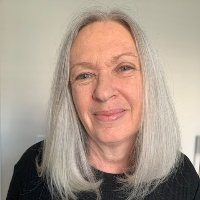
New York · 30 yrs exp
Experienced LCSW helping with trauma and relationships
Stress, Anxiety · Relationship · Trauma and abuse · Self esteem · +15 more
Read profile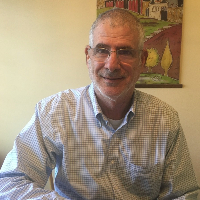
California · 17 yrs exp
Solution-focused licensed therapist
Stress, Anxiety · Addictions · Relationship · Family · +15 more
Read profile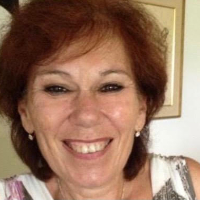
California · 25 yrs exp
Experienced, warm LMFT guiding practical change
Stress, Anxiety · Relationship · Family · Parenting · +10 more
Read profile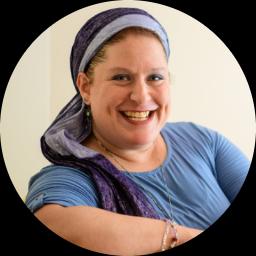
Illinois · 22 yrs exp
Compassionate therapist for life transitions
Stress, Anxiety · Relationship · Family · Grief · +10 more
Read profile
United Kingdom · 6 yrs exp
Midlife and identity focused counsellor
Stress, Anxiety · Relationship · Self esteem · Depression · +6 more
Read profile
Florida · 9 yrs exp
Practical support for stress and identity concerns
Stress, Anxiety · Addictions · LGBT · Self esteem · +9 more
Read profile
Massachusetts · 30 yrs exp
Compassionate trauma-informed care for daily life
Stress, Anxiety · Addictions · Relationship · Trauma and abuse · +15 more
Read profile
California · 6 yrs exp
Innovative therapy focused on language and change
Grief · Intimacy-related issues · Self esteem · Career · +1 more
Read profile
New York · 5 yrs exp
Supportive counselor for stress and identity challenges
Stress, Anxiety · LGBT · Relationship · Self esteem · +1 more
Read profileWhen you speak in the language you grew up with, nuances of emotion, humor, and idiom are often more natural. Talking about grief, family expectations, identity, or religious tradition in Hebrew can help you access memories and layers of meaning that may feel muted in another language. You may notice that metaphors, emotional vocabulary, and culturally specific expressions come more readily, and that can change the pace and tone of a therapeutic conversation. For many people a shared language also signals a deeper cultural understanding - a therapist who speaks Hebrew may be familiar with social norms, holiday rhythms, family dynamics, and community expectations that shape your experience.
Language and culture are closely linked. You may find it easier to describe family stories, childhood experiences, or social pressures when a therapist understands cultural references without needing long translations. That does not mean every conversation will be simple, but it can reduce the extra effort of explaining cultural shorthand and allow you to focus more directly on your concerns. Whether you are navigating immigration, intergenerational differences, or questions of identity, therapy in Hebrew can make those conversations feel more precise and personally relevant.
When you work with a therapist who does not share your native language, subtle emotional cues can be lost in translation. You might find yourself simplifying complex feelings or avoiding stories that feel difficult to translate. This narrowing can affect how you connect with the therapist and how accurately they understand your inner experience. Misunderstandings about idiomatic expressions or culturally specific humor can create distance, and you may feel compelled to edit yourself more often.
Therapeutic progress often relies on trust and the ability to explore difficult emotions. If you are thinking in Hebrew but speaking in another language, your emotional vocabulary may change; words you would use to describe shame, longing, or relief might not have direct equivalents. When a therapist shares your language you reduce the cognitive load of translation, which can free energy for reflection and self-awareness. That said, interpreters and bilingual therapists both bring value, and what matters most is the quality of the therapeutic relationship and communication, not just the language alone.
Online therapy offers a range of formats - video calls, phone sessions, and message-based therapy. When you choose an online Hebrew-speaking therapist, you can expect sessions to use platforms that follow standard healthcare privacy protections and to operate across time zones. Many therapists will describe their clinical approaches and areas of focus in their profiles so you can get a sense of how they work before you start a conversation. Some therapists list cognitive-behavioral approaches, psychodynamic perspectives, or EMDR among their approaches; those labels can help you understand the kind of work they tend to do, but they do not replace an introductory conversation about fit.
Before your first online session, consider where you will sit so you can speak freely and without interruptions. Choose a quiet room where you feel comfortable to share, and have any notes you want to bring handy. If you are concerned about time zones or technical details, look for information in a therapist's profile about how they conduct sessions and what platform they use. Online work can allow you to meet with therapists who are not in your immediate area, which increases your options when you want therapy in Hebrew.
Many Hebrew speakers worry about cultural stigma and how therapy may be perceived within families or communities. You may fear judgment, feel pressure to manage problems on your own, or worry that mental health topics are taboo. These concerns are understandable, and discussing them in Hebrew can make it easier to explore the roots of those worries and to find culturally attuned strategies for addressing them. Another common challenge is finding a therapist who understands specific cultural experiences - for example, those related to immigration, military service, religious life, or intergenerational family expectations.
When seeking a therapist, you may also think about whether you prefer someone who shares your cultural background in addition to language. Some clients find that common cultural references deepen the therapeutic connection, while others prioritize the therapist's approach or professional experience. It can help to look at profiles for mentions of work with particular communities or life stages, and then bring questions about cultural perspective into your first conversation. That conversation can clarify how a therapist understands cultural values and how they incorporate them into the work.
Online therapy expands the pool of Hebrew-speaking therapists you can consider. You may be able to work with professionals in different regions, which can be especially helpful if local options are limited. Online sessions also offer scheduling flexibility and the possibility of seeing someone who shares your dialect or cultural experiences. Many people find that the convenience of remote sessions helps them maintain consistent care when life gets busy or when travel is necessary.
Start by reading profiles to learn about a therapist's stated approaches, areas of focus, and language offerings. Notice how they describe working with specific concerns that matter to you - for example, family dynamics, trauma, relationship issues, or life transitions. Pay attention to whether they list approaches such as CBT or psychodynamic therapy, and remember to read that as an indication of how they may frame the work rather than as a guarantee of training. Consider whether you prefer someone who explicitly mentions cultural experience with Hebrew-speaking communities or particular life contexts that resonate with you.
When you reach out, prepare a few questions that matter to you: how they describe the therapy process, what a typical session might involve, and how they approach cultural or religious topics. You can also ask about practical matters such as fees, session length, and how they handle emergencies. While profiles give you an initial sense of fit, an introductory conversation is the best way to experience the therapist's communication style and to decide whether you feel comfortable continuing.
Finally, remember that finding the right therapeutic match can take time. You are entitled to look at several profiles, ask questions, and choose a path that feels respectful of your language and cultural identity. Therapy in Hebrew can help you speak from a fuller range of feeling and history, and online options make it more possible to find someone whose approach and background meet your needs. Use the profiles below to explore therapists who speak Hebrew, read about their approaches, and start a conversation that feels right for you.